How Local Soil Conditions Affect Lawns in Virginia
When homeowners think about a healthy lawn, they often focus on watering, mowing, or fertilizing. However, one of the most important factors influencing lawn health in Virginia lies beneath the surface — soil conditions. The type, composition, and quality of local soil directly impact how grass grows, how nutrients are absorbed, and how resilient your lawn will be through Virginia’s changing seasons.
Understanding Virginia’s soil characteristics can help homeowners make smarter lawn care decisions and achieve thicker, greener turf.
Why Soil Matters More Than You Think
Soil is more than just dirt. It is a living system that provides:
Nutrients for grass growth
Water retention
Oxygen for root development
Structural support for turf
Poor soil conditions can lead to thin grass, weed invasion, drainage issues, and increased susceptibility to disease.
Common Soil Types Found in Virginia
Virginia has diverse soil types due to its geography, which includes coastal plains, piedmont regions, and mountainous areas. Each region presents unique lawn care challenges.
1. Clay Soil (Very Common in Virginia)
Clay-heavy soil is widespread across Central and Northern Virginia.
Characteristics:
Dense and compact
Drains slowly
Holds nutrients well
Can become hard when dry
Impact on lawns:
Roots struggle to expand
Water pooling can cause disease
Compaction reduces oxygen to roots
Solution: Core aeration, soil amendments, and organic matter help improve structure.
2. Sandy Soil (More Common in Coastal Areas)
Sandy soils drain quickly and are found more often in eastern Virginia.
Characteristics:
Loose texture
Excellent drainage
Low nutrient retention
Impact on lawns:
Grass may dry out quickly
Nutrients wash away faster
Requires more frequent watering and fertilization
Solution: Use slow-release fertilizers and add organic compost to improve water retention.
3. Loamy Soil (Ideal but Less Common)
Loam is a balanced mix of sand, silt, and clay.
Benefits for lawns:
Excellent drainage
Strong nutrient availability
Ideal root growth
Homeowners with loamy soil typically experience fewer lawn problems.
Soil pH Levels in Virginia
Many Virginia soils are naturally acidic, especially in forested or high-rainfall areas.
Grass grows best in a pH range of 6.0–7.0. When soil becomes too acidic:
Nutrients become less available
Grass growth slows
Moss and weeds may take over
Lime applications are commonly used in Virginia to balance soil pH and improve nutrient absorption.
Drainage and Compaction Issues
Virginia’s seasonal rainfall and clay-heavy soils can cause:
Waterlogged lawns
Root rot
Fungal disease
Compacted soil prevents proper drainage and root development.
Core aeration is one of the most effective treatments for improving airflow, drainage, and root expansion.
How Soil Affects Fertilization
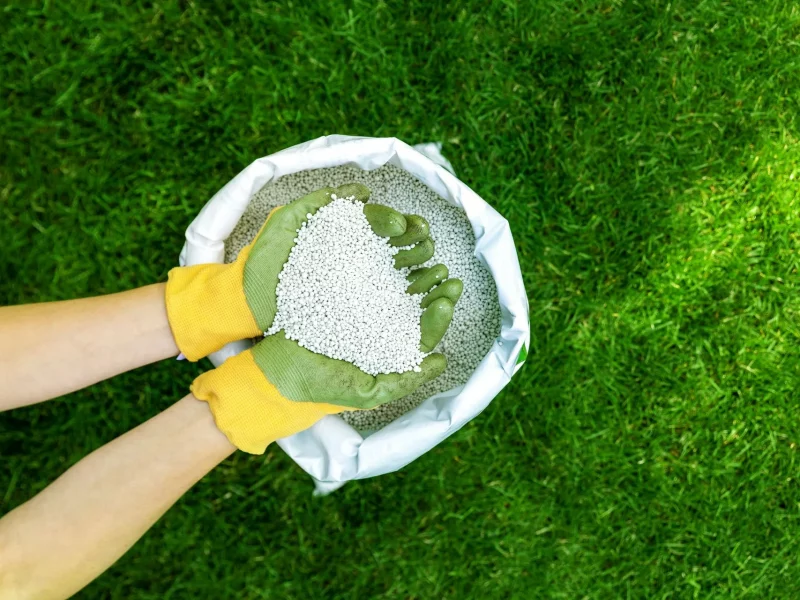
Without healthy soil, fertilizer cannot perform effectively. Poor soil structure can:
Prevent nutrients from reaching roots
Cause runoff and waste
Lead to uneven lawn color
Professional soil testing ensures fertilizers are applied based on actual soil needs rather than guesswork.
Seasonal Soil Changes in Virginia
Virginia’s four seasons affect soil conditions:
Spring: Soil may be compacted from winter moisture
Summer: Heat dries soil and increases stress
Fall: Best time to improve soil structure
Winter: Dormant period allows soil recovery
Fall aeration and overseeding are especially important for soil health.
Why Professional Soil Management Makes a Difference
Because Virginia soil varies by region, professional lawn care services use:
Soil testing
Customized fertilization programs
Aeration schedules
Organic soil improvements
These practices help create long-term lawn strength instead of short-term fixes.
Conclusion
A lawn’s success in Virginia depends heavily on local soil conditions. From clay compaction to acidic pH levels, soil influences everything from root growth to nutrient absorption. Addressing soil health is the foundation of a greener, thicker, and more resilient lawn.
Healthy soil doesn’t just grow better grass — it creates a lawn that can withstand Virginia’s heat, rain, and seasonal changes.