What Makes a Lawn “First Class”? Lawn Quality Explained
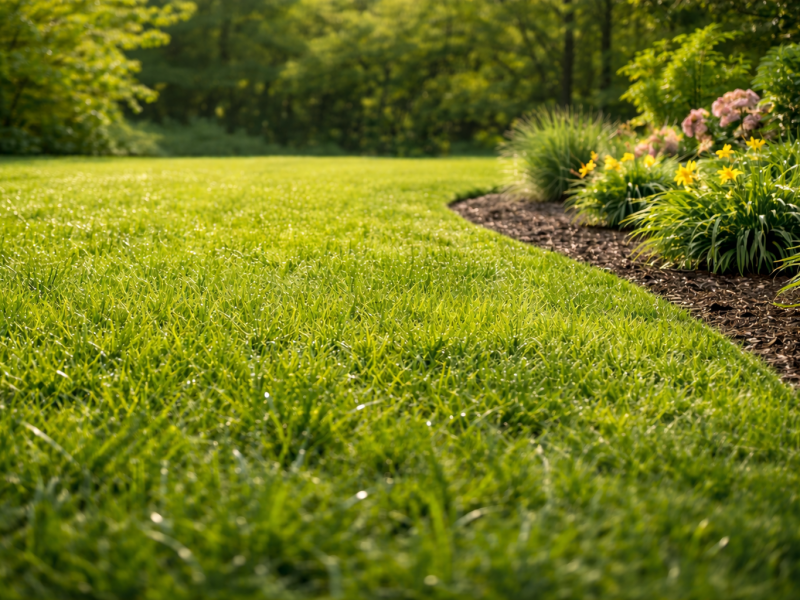
A “first class” lawn isn’t just green grass. It’s a carefully balanced ecosystem where soil, grass, water, and maintenance all work together to create a lawn that looks beautiful, feels healthy, and stays resilient throughout the seasons.
So what truly separates an average yard from a first-class lawn? Let’s break it down.
1. Density: Thick, Carpet-Like Growth
One of the clearest signs of lawn quality is turf density.
A first-class lawn:
Has tightly packed grass blades
Shows little to no bare soil
Feels soft and springy underfoot
Dense grass isn’t just about looks — it naturally:
Blocks weeds
Reduces erosion
Retains moisture better
Thin lawns struggle to compete with weeds and environmental stress.
2. Color: Rich, Even Green
Color reflects health. A first-class lawn has a deep, consistent green tone across the entire yard.
Uneven color often signals:
Nutrient deficiencies
Poor watering
Soil imbalances
Healthy lawns receive balanced fertilization, especially nitrogen, which supports chlorophyll production — the pigment responsible for that vibrant green look.
3. Proper Mowing Height
Professional-looking lawns are never scalped.
Correct mowing:
Encourages deeper roots
Protects soil from heat
Helps grass grow thicker
A first-class lawn follows the one-third rule — never removing more than one-third of the blade at once. This reduces stress and keeps grass strong.
4. Healthy Soil Beneath the Surface
What you see above ground depends on what’s happening below.
High-quality lawns grow in soil that:
Drains well but retains moisture
Has proper pH balance
Contains organic matter
Allows roots to expand
Aeration, soil testing, and proper amendments are part of maintaining this foundation.
5. Smart Water Management
A first-class lawn isn’t overwatered — it’s watered correctly.
Ideal watering:
Is deep and infrequent
Encourages deep root growth
Prevents fungal disease
The goal is resilience. Lawns with strong root systems stay green longer during heat and dry periods.
6. Weed and Pest Control
Weeds, insects, and disease can quickly reduce lawn quality.
Premium lawns maintain:
Minimal weed presence
Strong resistance to pests
Healthy airflow to prevent fungus
A thick, well-maintained lawn is naturally more resistant to problems.
7. Clean Edges and Finishing Details
Visual detail separates a good lawn from a first-class one.
This includes:
Sharp edging along sidewalks and driveways
Trimmed borders
Even mowing patterns
No clumps of clippings
These finishing touches create a professional, polished look.
8. Seasonal Care and Timing
Lawn care isn’t one-size-fits-all. A first-class lawn is maintained according to the season:
Spring: Growth support and weed prevention
Summer: Stress protection and hydration
Fall: Root strengthening and repair
Winter: Preparation and soil care
Timing treatments correctly makes all the difference.
9. Consistency
The real secret? Consistency.
High-quality lawns aren’t the result of one treatment — they’re built through:
Regular mowing
Scheduled fertilization
Ongoing monitoring
Preventive care
This steady attention keeps grass healthy year-round.
The Bottom Line
A “first class” lawn is the result of science, care, and precision. It’s:
✔ Thick
✔ Deep green
✔ Evenly cut
✔ Well-fed
✔ Properly watered
✔ Weed-resistant
✔ Built on healthy soil
It’s not just grass — it’s a living system managed to look its best every season.
When all these factors come together, the result is a lawn that stands out, increases curb appeal, and reflects true property pride.